Charleston's Peninsula Gains Residents for First Time Since 1930s
New apartment towers and infill development have reversed nearly a century of population decline in Charleston's historic core.
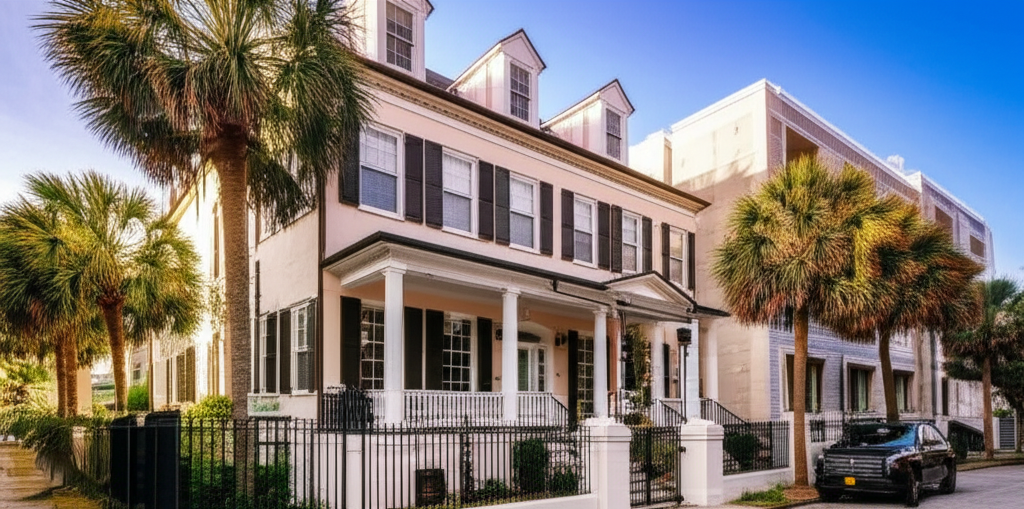
Charleston’s peninsula is gaining residents for the first time since the 1930s, a demographic reversal driven by new apartment construction and changing preferences among young professionals who want to live in walkable urban environments.
The shift marks the end of a nine-decade population decline that saw the historic core lose residents to suburban development across West Ashley, Mount Pleasant, and James Island. What was once a densely populated urban center became increasingly a district of offices, shops, and tourists rather than permanent inhabitants.
New residential towers along the upper peninsula, particularly in the NoMo district and along the edges of the Medical District, have added thousands of housing units in recent years. These projects cater to a demographic willing to pay premium rents for proximity to downtown employment, restaurants, and nightlife.
The population growth carries implications for everything from school enrollment to traffic patterns to retail demand. A peninsula with more permanent residents behaves differently than one dominated by commuters and visitors.
For city planners, the reversal represents both opportunity and challenge. More residents means a larger tax base and greater political support for urban amenities. But it also increases demand for parking, strains aging infrastructure, and intensifies conflicts over development in historic neighborhoods.
The growth has not been evenly distributed. Neighborhoods with new construction have seen population surge while established areas with few development sites have remained stable. The result is a peninsula increasingly divided between historic low-rise sections and emerging high-rise corridors.
Critics argue the new construction caters primarily to affluent newcomers while doing little to address Charleston’s broader housing affordability crisis. Rents in new downtown towers often start at $2,500 monthly for one-bedroom units, far beyond the reach of many local workers.
Supporters counter that any new housing helps relieve regional pressure and that downtown growth reduces sprawl in surrounding areas.