North Charleston lacks historic protections despite century-old roots
While Charleston peninsula enforces strict historic guidelines, North Charleston offers minimal protection for structures dating back more than 100 years.
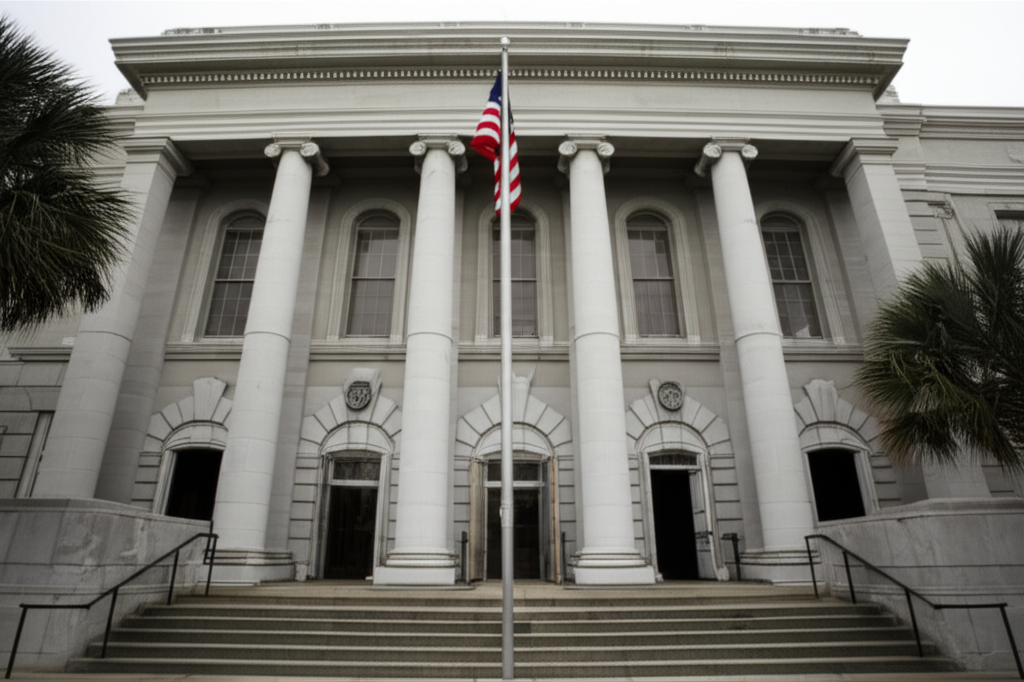
North Charleston provides little protection for historic buildings despite housing communities established more than a century ago, creating a stark contrast with the peninsula’s strict preservation standards.
The city’s historic preservation guidelines remain minimal even as development pressure increases across the region. While Charleston’s Board of Architectural Review rigorously enforces design standards in historic districts, North Charleston lacks comprehensive protections for structures predating the city’s 1972 incorporation.
“The peninsula has had decades to develop these systems, but North Charleston is still catching up in terms of identifying and protecting its historic resources,” said a city planning official who requested anonymity.
Several communities within North Charleston’s current boundaries trace their origins to the late 1800s and early 1900s, including areas around Rivers Avenue and sections near the former Charleston Naval Base. These neighborhoods developed around military installations, shipyards and rail lines that brought workers and their families to the region.
The absence of formal protections has allowed demolition of structures that might qualify for historic designation in other jurisdictions. Property records show at least twelve buildings constructed before 1920 have been demolished in North Charleston since 2020, with no requirement for historic review.
Charleston’s preservation framework covers roughly 2,800 acres across multiple historic districts, with the Board of Architectural Review reviewing changes to building exteriors, new construction and demolitions. The process can add months to development timelines but preserves architectural character that drives tourism revenue.
North Charleston Mayor Keith Summey’s office did not respond to requests for comment about potential historic preservation initiatives.
The South Carolina Department of Archives and History maintains a statewide inventory of historic properties, but listing provides no legal protection without local ordinances. North Charleston has just four properties listed on the National Register of Historic Places, compared to Charleston’s more than 1,400 contributing structures in historic districts.
“Without local protection, you’re basically relying on property owners to do the right thing voluntarily,” said Martha Zierden, former Charleston city archaeologist.
Development pressure has intensified across North Charleston as companies relocate operations to the region. The city issued building permits worth $847 million in 2023, a 23 percent increase from the previous year. Industrial and commercial projects accounted for most permit value, but residential development also accelerated.
Some longtime residents worry about losing neighborhood character as older buildings give way to new construction. The Chicora-Cherokee neighborhood, which developed in the early 1900s as a streetcar suburb, has seen several historic houses demolished for infill development.
“Once they’re gone, they’re gone forever,” said neighborhood resident Dorothy Williams, whose family has lived in the area for three generations.
Establishing historic districts requires extensive documentation of architectural significance and community support. The process typically takes 18 to 24 months and costs between $50,000 and $100,000 for consultant studies and legal procedures.
North Charleston City Council has not formally discussed historic preservation initiatives in public meetings over the past two years, according to meeting minutes reviewed by the Charleston Sentinel. Politics & Government coverage shows the council has focused primarily on economic development and infrastructure projects.
The city’s planning department currently employs two staff members responsible for zoning and development review, compared to Charleston’s five-person preservation office and seven-member architectural review board.
Neighboring municipalities have taken different approaches to preservation. Mount Pleasant established historic districts for the Old Village and other areas, while Isle of Palms relies primarily on tree protection and height restrictions rather than architectural review.
Some preservation advocates suggest North Charleston could start with overlay districts that provide modest protections without full historic designation. These zones typically require demolition permits and encourage compatible new construction without the detailed review process of formal historic districts.
The National Trust for Historic Preservation offers technical assistance to communities developing preservation programs. Trust officials said they have not received inquiries from North Charleston in recent years.
Property owners in potential historic areas express mixed feelings about preservation designations. While historic status can increase property values and provide tax incentives for rehabilitation, it also limits renovation options and can complicate sales.
“I understand wanting to preserve history, but I also need to be able to maintain my property without jumping through hoops,” said longtime homeowner Robert Chen.
State preservation officials note that communities often act after losing significant buildings rather than before. Several South Carolina cities established historic districts following controversial demolitions that galvanized public support.
North Charleston’s next comprehensive plan update, scheduled for 2025, could address historic preservation alongside other planning goals. The document will guide development policy for the following decade and typically includes public input sessions.
City Council meets again December 10, with development applications and budget discussions on the preliminary agenda. No historic preservation items are currently scheduled for consideration.