Berkeley County Opens Grants for Restaurant Revitalization
Berkeley County's 2026 Community Development Block Grant workshop could bring fresh opportunities for restaurant owners and food businesses seeking funding.
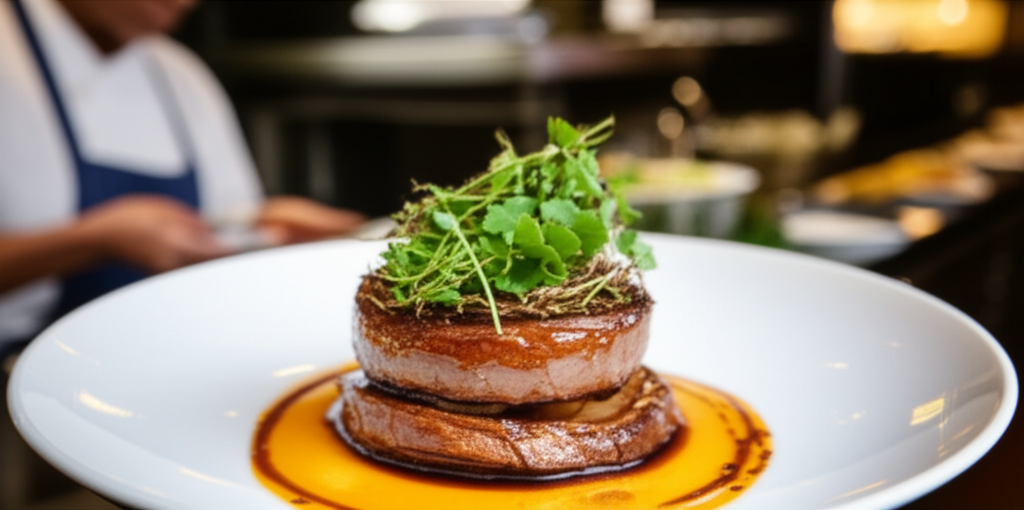
The cast-iron skillet of economic development is heating up in Berkeley County, where registration has opened for the 2026 Community Development Block Grant application workshop — and this year’s funding could serve up opportunities that Charleston-area restaurant owners have been waiting for.
The workshop, scheduled to guide potential applicants through the federal grant process, represents more than bureaucratic paperwork. For food entrepreneurs eyeing expansion into Berkeley County’s growing communities like Moncks Corner and Goose Creek, these grants historically fund the infrastructure improvements that make restaurant dreams possible.
“Community Development Block Grants have been instrumental in revitalizing commercial corridors where restaurants and food businesses thrive,” said a Berkeley County spokesperson. “We’re seeing increased interest from hospitality sector applicants who understand how streetscape improvements, utility upgrades, and accessibility modifications can transform their operations.”
The timing couldn’t be better. Berkeley County has experienced steady population growth, creating demand for Food & Dining establishments that serve both newcomers and longtime residents. The county’s proximity to Charleston’s culinary scene means restaurateurs are looking beyond the peninsula for more affordable real estate and untapped markets.
CDBG funds, administered through the U.S. Department of Housing and Urban Development, target projects that benefit low- and moderate-income communities. In restaurant terms, that translates to funding for everything from sidewalk improvements that boost foot traffic to ADA-compliant entrances that welcome all diners.
Last year’s CDBG recipients in Berkeley County included several projects that indirectly supported the hospitality industry. Streetscape improvements along main commercial strips created more inviting environments for diners, while infrastructure upgrades ensured reliable utilities for kitchen operations that can’t afford downtime during dinner rush.
The workshop will break down the application process, which can seem as complex as a five-course tasting menu to first-time applicants. County officials plan to cover everything from project eligibility requirements to budget documentation — crucial details for restaurant owners who know their way around food costs but might struggle with federal grant terminology.
For Charleston-area chefs considering Berkeley County locations, the grants represent a chance to secure funding for improvements that might otherwise strain startup budgets. A new restaurant in Moncks Corner, for instance, could benefit from county-funded parking improvements or utility upgrades that make the difference between opening on schedule or facing costly delays.
The application process mirrors the methodical approach successful chefs take in menu development — attention to detail, proper timing, and understanding your audience. Grant applications require clear project descriptions, detailed budgets, and documentation of community benefit, much like how a restaurant proposal needs concept clarity, financial projections, and market analysis.
Berkeley County’s CDBG program has historically supported projects ranging from housing rehabilitation to public facility improvements. Restaurant-adjacent projects often include downtown revitalization efforts, historic building renovations, and infrastructure improvements that create more attractive commercial districts.
The county’s growing reputation as a dining destination beyond Charleston’s city limits makes this year’s grant cycle particularly significant. Food entrepreneurs who’ve watched property values climb on the peninsula are finding opportunities in Berkeley County’s communities, where lower overhead costs allow for more creative menu pricing and community-focused concepts.
Workshop attendees will learn about the federal requirements that govern CDBG spending, including the mandate that projects primarily benefit low- and moderate-income residents. For restaurant projects, this might mean locating in qualifying census tracts or demonstrating how improvements will benefit the broader community, not just business owners.
The application timeline requires the same kind of planning that goes into launching a new restaurant. Projects need detailed development schedules, contractor estimates, and environmental impact assessments — paperwork that demands attention months before ground breaks or renovations begin.
Berkeley County officials emphasize that successful applications tell compelling stories about community impact. Restaurant owners considering applications should think beyond their individual businesses to how their projects contribute to neighborhood revitalization, job creation, and community gathering spaces.
The workshop registration process is straightforward, though space is limited. County officials recommend early registration, particularly for applicants new to the CDBG process who might benefit from additional guidance during the session.
For Charleston’s restaurant community, Berkeley County’s CDBG workshop represents more than funding opportunities — it’s a chance to understand how federal programs can support culinary entrepreneurship beyond the traditional bank loan model. As dining districts continue expanding throughout the region, these grants could help establish Berkeley County as the next chapter in Charleston’s evolving food story.
Registration information and workshop details are available through Berkeley County’s community development office. The county recommends that potential applicants review project eligibility requirements before attending, ensuring their proposals align with CDBG program goals and federal guidelines.